November 12, 2026
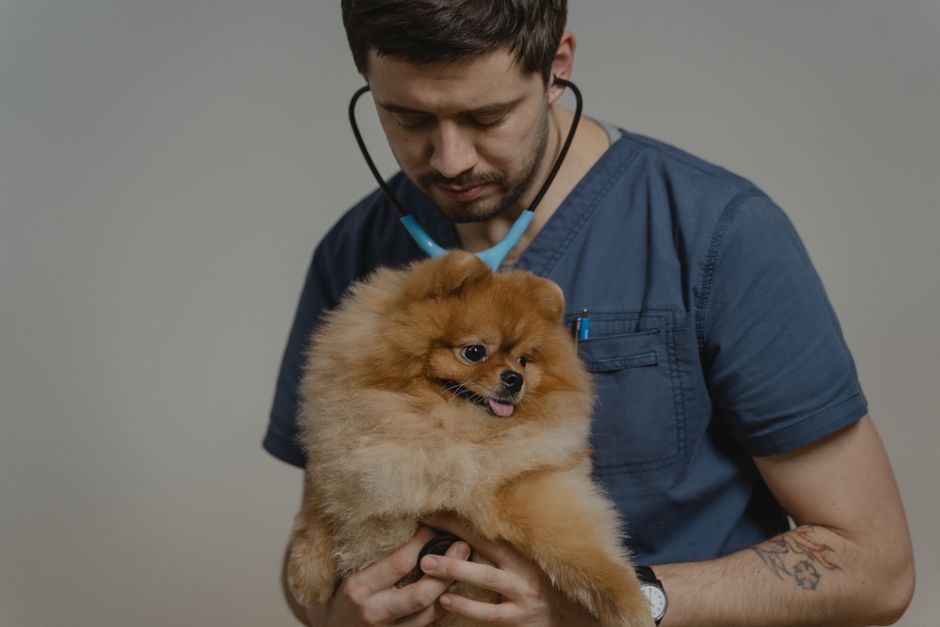


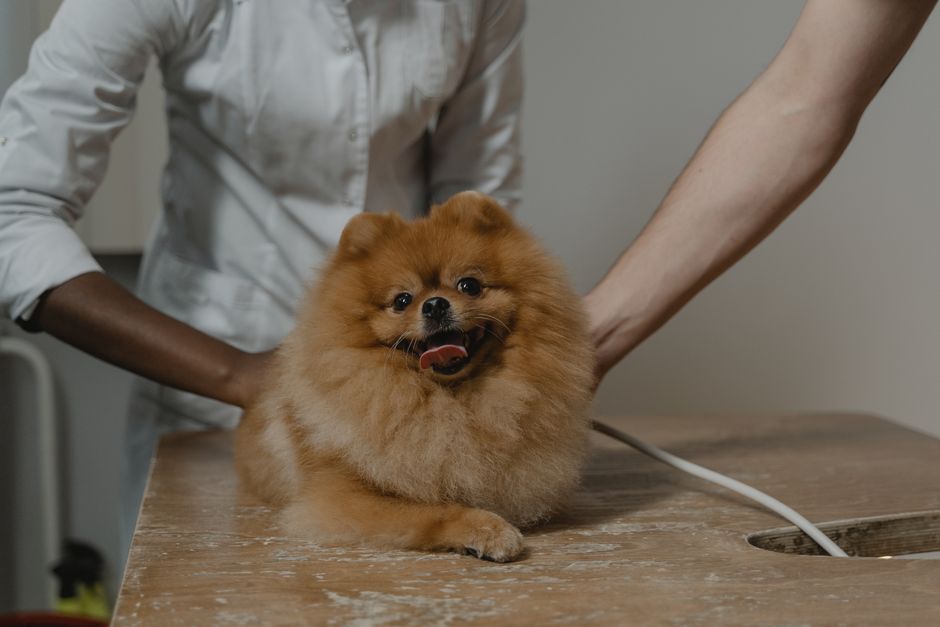
As the leaves begin to change and cooler weather settles over Madison, AL, October brings both beauty and unique challenges for pet owners. At Paradise Animal Hospital, we know how much you care about your dog or cat’s safety and happiness, especially as the seasons shift. Fall in North Alabama means unpredictable weather, seasonal toxins, Halloween festivities, and new outdoor temptations for curious pets. Our veterinary team wants you to feel confident that your furry family members can enjoy autumn safely, whether you’re raking leaves in the backyard or getting ready for trick-or-treaters at the front door. In this blog, we’ll share essential fall safety tips, outline the most common autumn hazards for dogs and cats, and help you recognize when it’s time to call your veterinarian. If you have questions or need to schedule a pet exam, Paradise Animal Hospital in 128 Cleghorn Blvd, Ste A, Madison, AL 35758 is here to support pet owners throughout Madison and the surrounding communities.
Every season brings its own set of risks, but fall hazards can be especially tricky to spot. Dogs and cats are naturally inquisitive, and as cool weather encourages more time outdoors, your pet may encounter things that can compromise their health. Signs your pet may have been exposed to a fall hazard include vomiting, diarrhea, drooling, sudden lethargy, difficulty breathing, or changes in behavior such as hiding or agitation. You may also notice coughing or sneezing if your pet has inhaled mold spores from damp leaves or yard debris. In some cases, pets that have ingested toxins like rodenticides or certain mushrooms will develop tremors or seizures. Additionally, injuries from wildlife encounters or Halloween-related accidents can manifest as limping, wounds, or unexplained pain. If your dog or cat is showing any of these symptoms, or if you suspect they may have been exposed to a toxin or physical hazard, prompt veterinary attention is crucial. Recognizing the earliest signs ensures your pet receives the help they need before a problem becomes a true emergency.
Many pet owners are surprised by the variety of hidden dangers that appear in October. Cooler weather often leads to increased rodent activity, which means more rodenticide (rat poison) use around homes and garages. Rodenticides are highly toxic to both dogs and cats, and even small amounts can cause severe bleeding disorders or neurological symptoms. Fallen leaves and yard debris can harbor mold or mushrooms, some of which are extremely poisonous if eaten by pets. Additionally, antifreeze becomes a concern as temperatures dip and people prepare vehicles for winter. Even a tiny amount of spilled antifreeze can be fatal to dogs and cats due to its sweet taste and toxic properties.
Halloween is another major source of seasonal hazards. Chocolate, xylitol-sweetened candies, raisins, and certain costume accessories are all dangerous if ingested by pets. Costumes themselves may cause stress or even injury if they fit poorly or restrict movement. Increased foot traffic, doorbells, and strangers in costumes can cause anxiety or create opportunities for pets to escape through an open door. Outdoor cats are particularly vulnerable to Halloween mischief, so keeping them indoors during this time is always safest.
Temperature changes also present a risk. Sudden cold snaps can cause discomfort, especially for older pets or those with thin coats. Arthritic dogs and cats may become stiffer or experience increased pain as the temperatures drop. It’s important to watch for signs that your pet is having trouble staying warm, such as shivering, seeking warm places to rest, or reluctance to go outside.
At Paradise Animal Hospital, we take a proactive approach to fall safety by educating pet owners and providing comprehensive care for seasonal hazards. If your dog or cat has been exposed to a potential toxin or is showing signs of illness, our veterinarians utilize in-house laboratory testing and diagnostic imaging to quickly identify the cause and begin treatment. Treatment options for toxin ingestion may include inducing vomiting (when appropriate), administering activated charcoal to limit absorption, intravenous fluids, and medications to support organ function or manage symptoms.
When pets present with injuries from wildlife encounters, yard accidents, or Halloween mishaps, our veterinary team is equipped to perform thorough examinations, wound care, and surgical intervention if necessary. We also offer pain management and supportive therapies for pets struggling with cold-weather discomfort or arthritis flare-ups. For routine prevention and early detection of seasonal issues, we encourage wellness visits in the fall, which often include a comprehensive physical examination to evaluate your pet’s overall health and catch potential problems early.
Preventing fall hazards starts with a few practical steps at home. Secure all rodenticides, antifreeze, and chemicals in locked cabinets or high shelves to prevent accidental access. Regularly check your yard for mushrooms and remove any that appear, as many common varieties are toxic to pets. Rake leaves promptly and dispose of yard waste to reduce mold exposure and discourage wildlife that may pose a threat to your pet.
During Halloween, keep all candy and treats well out of your dog or cat’s reach. Remind children and guests not to share human snacks with pets. Consider creating a quiet, secure space for your pet away from the front door during trick-or-treating hours to prevent escapes and reduce stress. If your pet enjoys wearing a costume, choose one that fits comfortably and does not impede movement, breathing, or vision; always supervise your pet while they are wearing it.
As temperatures begin to drop, provide your pet with warm bedding and limit time outdoors during chilly mornings and evenings. For senior pets or those with arthritis, talk to your veterinarian about supplements or medications that can ease joint discomfort. Ensuring your dog or cat is up to date on vaccinations and parasite prevention remains important throughout the fall, as some pests remain active even in cooler weather. If you need guidance or want to schedule a wellness examination, our veterinary team is here to help you develop a personalized plan for your pet’s autumn health.
It is always better to err on the side of caution when your pet’s health is at stake. If you believe your dog or cat has ingested something toxic, is experiencing difficulty breathing, persistent vomiting or diarrhea, sudden weakness, or any signs of pain or distress, contact Paradise Animal Hospital immediately. Rapid intervention is often the key to a positive outcome in poisoning or injury cases.
For non-urgent concerns, such as mild arthritis flare-ups, behavioral changes, or questions about fall safety, scheduling an appointment with our veterinarians allows us to address your pet’s needs and provide tailored recommendations. Regular checkups are also a great opportunity to discuss any concerns you have about seasonal changes, diet, or behavior as we move through October. If you find yourself needing emergency care outside of our regular hours, visit our after-hours emergency care information page for guidance.
At Paradise Animal Hospital, our commitment to your pet’s safety and well-being extends beyond the exam room. We know how quickly the seasons can change in Madison, AL, and we are dedicated to helping dogs and cats thrive all year long. As you enjoy everything autumn has to offer, remember to keep a close eye on potential hazards, practice preventive care, and reach out whenever you have concerns about your pet’s health.
If you are searching for a trusted "vet near me" this fall, our experienced veterinary professionals in 128 Cleghorn Blvd, Ste A, Madison, AL 35758 are ready to support you. Call (256) 772-7571 to schedule your pet’s fall checkup or discuss any questions about October safety hazards. You can also explore our wellness examination and comprehensive physical examination services for more information on maintaining your pet’s health throughout the year. Our veterinary team looks forward to partnering with you to keep your dogs and cats safe, healthy, and happy this season and beyond.
This blog is intended for informational purposes only and is not a substitute for professional veterinary advice. If you have concerns about your pet’s health, contact your veterinarian directly for guidance tailored to your pet’s individual needs.
Now accepting new patients. Walk-ins are always welcome, and most diagnostics turn around the same day.
Huntsville Veterinary Specialists & Emergency (HVSE)
800 Dr. Joseph E. Lowery Blvd SW,
Huntsville, AL 35801
(256) 751-8389